Introduction: License Suspension and Insurance Compliance
A driver’s license suspension is one of the most serious administrative actions a state can take against a motorist. In the United States, license suspensions are often linked not only to traffic violations, but also to failures in meeting insurance and financial responsibility laws. When this happens, states may impose additional conditions before allowing a driver to regain or retain legal driving privileges.
One of the most common post-suspension requirements is SR-22 insurance. Understanding SR-22 insurance requirements after license suspension is critical for affected drivers, as failure to comply can result in extended suspensions, additional penalties, and long-term driving restrictions.
This article provides a detailed, state-aware explanation of why SR-22 is required after license suspension, what drivers must do to comply, and how to avoid costly mistakes.
Understanding License Suspension in the United States
A license suspension is a temporary withdrawal of driving privileges by a state motor vehicle authority. Unlike revocation, which may require reapplication, suspension typically lasts for a defined period but comes with strict reinstatement conditions.
Common reasons for suspension include:
-
Driving without valid insurance
-
Failure to provide proof of insurance
-
Repeated traffic violations
-
Accumulating excessive points
-
Administrative non-compliance with DMV requirements
When insurance-related violations are involved, states often impose SR-22 insurance requirements as part of the reinstatement process.
Why SR-22 Insurance Is Required After License Suspension
States require SR-22 insurance after a license suspension to ensure ongoing financial responsibility. From a regulatory perspective, a driver who has already failed to comply with insurance laws presents a higher enforcement risk.
SR-22 serves three main purposes:
-
Verification – Confirms that the driver carries at least the state-required minimum liability coverage.
-
Monitoring – Allows the state to track continuous coverage in real time.
-
Enforcement – Enables immediate action if coverage lapses.
Unlike traditional proof of insurance, SR-22 is not self-reported. The insurance company is legally obligated to notify the state if the policy is canceled or interrupted.
What Triggers SR-22 Insurance Requirements After Suspension
While requirements vary by state, SR-22 insurance is most commonly required after license suspension caused by:
-
Driving without insurance
-
Insurance policy cancellation during an active registration period
-
Failure to submit proof of insurance to the DMV
-
Repeated insurance-related citations
-
Court-ordered insurance compliance following suspension
In these cases, reinstatement is not possible until SR-22 insurance is properly filed and accepted.
Legal SR-22 Insurance Requirements Explained
Minimum Coverage Requirements
SR-22 insurance does not change the type of coverage required, but it strictly enforces compliance with state minimum liability limits, which generally include:
-
Bodily injury liability per person
-
Bodily injury liability per accident
-
Property damage liability
Some states may also require uninsured or underinsured motorist coverage as part of compliance.
Continuous Coverage Obligation
One of the most critical SR-22 insurance requirements after license suspension is continuous coverage. Drivers must maintain uninterrupted insurance for the full compliance period.
Even a short lapse—sometimes as little as one day—can result in:
-
Automatic notification to the DMV
-
Immediate license re-suspension
-
Restarting the compliance period
DMV and Court Mandates Involving SR-22
SR-22 insurance may be required by:
-
The state Department of Motor Vehicles
-
A court order
-
Both simultaneously
When both entities are involved, drivers must satisfy all conditions, including:
-
Filing SR-22 documentation
-
Paying reinstatement fees
-
Completing suspension periods
-
Submitting additional compliance forms if required
Failure to coordinate between the court and the DMV is a common cause of reinstatement delays.
How SR-22 Insurance Supports License Reinstatement
After a suspension, most states require drivers to complete several steps before reinstatement. SR-22 insurance plays a central role in this process.
Typical reinstatement steps include:
-
Completing the suspension period
-
Obtaining a compliant insurance policy
-
Filing SR-22 documentation through the insurer
-
Paying reinstatement fees
-
Receiving DMV confirmation of compliance
Until SR-22 insurance is accepted, reinstatement will not proceed.
How Long SR-22 Insurance Is Required After Suspension
The duration of SR-22 insurance requirements varies by state and violation type. Common compliance periods include:
-
1 year
-
2 years
-
3 years or more in repeat cases
The clock typically starts only after SR-22 filing is accepted, not from the date of suspension. Any lapse resets the timeline.
Penalties for Non-Compliance With SR-22 Requirements
Failing to meet SR-22 insurance requirements after license suspension can lead to serious consequences, including:
-
Immediate license re-suspension
-
Extension of the SR-22 compliance period
-
Additional fines and fees
-
Increased insurance premiums
-
Court sanctions in court-ordered cases
Because SR-22 insurance is actively monitored, violations are detected quickly.
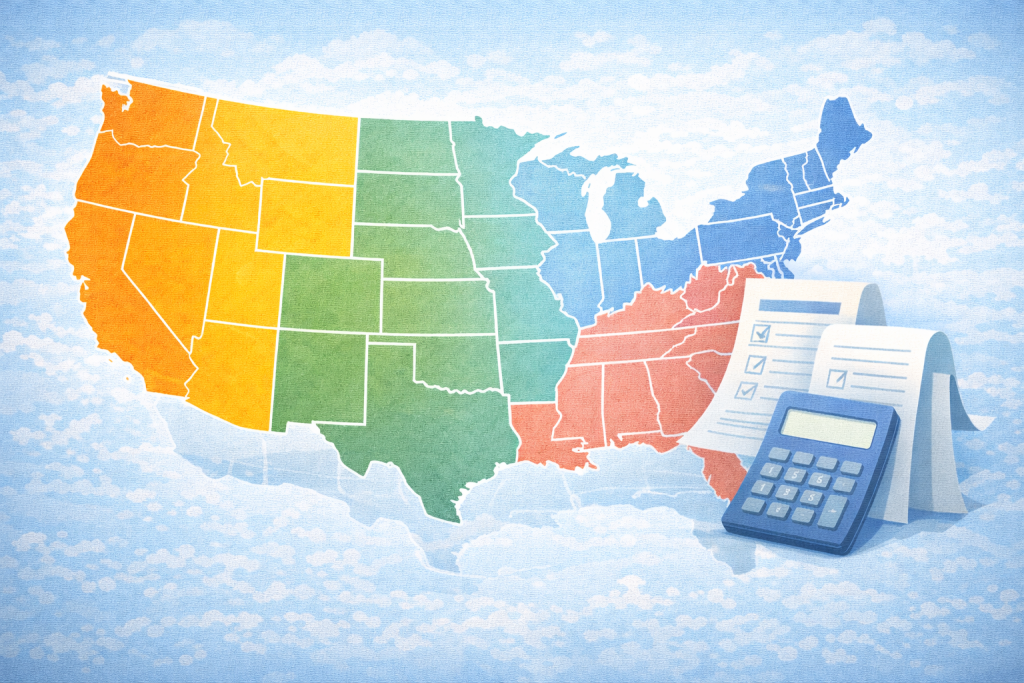
State Variations in SR-22 Insurance Requirements
Although SR-22 follows the same enforcement logic nationwide, state laws differ in areas such as:
-
Duration of required coverage
-
Filing fees
-
Reinstatement procedures
-
Penalty severity for lapses
Drivers who move between states during a SR-22 period must ensure compliance with both jurisdictions, which often requires coordination between DMVs.
Common Mistakes Drivers Make After Suspension
Drivers frequently encounter problems due to:
-
Purchasing insurance from non-authorized providers
-
Allowing policies to lapse due to missed payments
-
Assuming SR-22 filing is automatic without confirmation
-
Canceling coverage early
-
Confusing SR-22 with standard proof of insurance
These mistakes can significantly delay reinstatement and increase costs.
Best Practices for Staying Compliant After Suspension
To meet SR-22 insurance requirements successfully, drivers should:
-
Choose insurers experienced with SR-22 filings
-
Enable automatic payments
-
Confirm DMV acceptance of SR-22 documentation
-
Track compliance deadlines carefully
-
Keep records of all filings and confirmations
Consistency and attention to detail are essential.
Frequently Asked Questions About SR-22 After Suspension
Is SR-22 insurance always required after suspension?
No. It depends on the reason for the suspension and state law, but it is common in insurance-related cases.
Can I reinstate my license before SR-22 is filed?
In most states, reinstatement is not possible until SR-22 insurance is accepted.
Does SR-22 insurance guarantee reinstatement?
SR-22 is required, but drivers must also meet all other reinstatement conditions.
Conclusion: SR-22 Compliance Is the Key to Regaining Driving Privileges
For drivers facing license suspension, understanding SR-22 insurance requirements after license suspension is essential. SR-22 exists to enforce accountability, ensure financial responsibility, and protect public safety.
By maintaining continuous coverage, following state-specific rules, and avoiding lapses, drivers can complete their SR-22 compliance period successfully and move forward toward full driving reinstatement.