Introduction: Why SR-22 Insurance Costs Vary by State
For drivers required to carry SR-22 insurance, one of the first and most pressing questions is cost. Unlike standard auto insurance, SR-22 insurance is imposed after a legal or administrative issue, which means pricing is influenced not only by driving history but also by state-specific enforcement rules.
Understanding SR-22 insurance cost by state is essential for budgeting, compliance planning, and finding affordable coverage. This article explains how SR-22 pricing works, why costs vary across states, and what drivers can do to reduce expenses while remaining fully compliant.
What Determines SR-22 Insurance Cost?
SR-22 insurance is not a separate insurance product; rather, it is a state-required insurance certification and monitoring requirement. As a result, the total cost includes multiple components.
Core Cost Components
-
Base auto insurance premium
-
SR-22 filing or certification fee
-
High-risk driver surcharges
-
State-specific administrative fees
Because states regulate insurance differently, these components combine in unique ways across jurisdictions.
Average SR-22 Insurance Costs Nationwide
While exact pricing depends on the individual driver, national averages provide a useful benchmark.
Typical cost ranges include:
-
Monthly premium increase: $30–$90 above standard insurance
-
Annual added cost: $350–$1,200
-
SR-22 filing fee: $15–$50 (varies by state and insurer)
Drivers with prior insurance lapses, multiple violations, or extended suspension histories often fall on the higher end of the range.
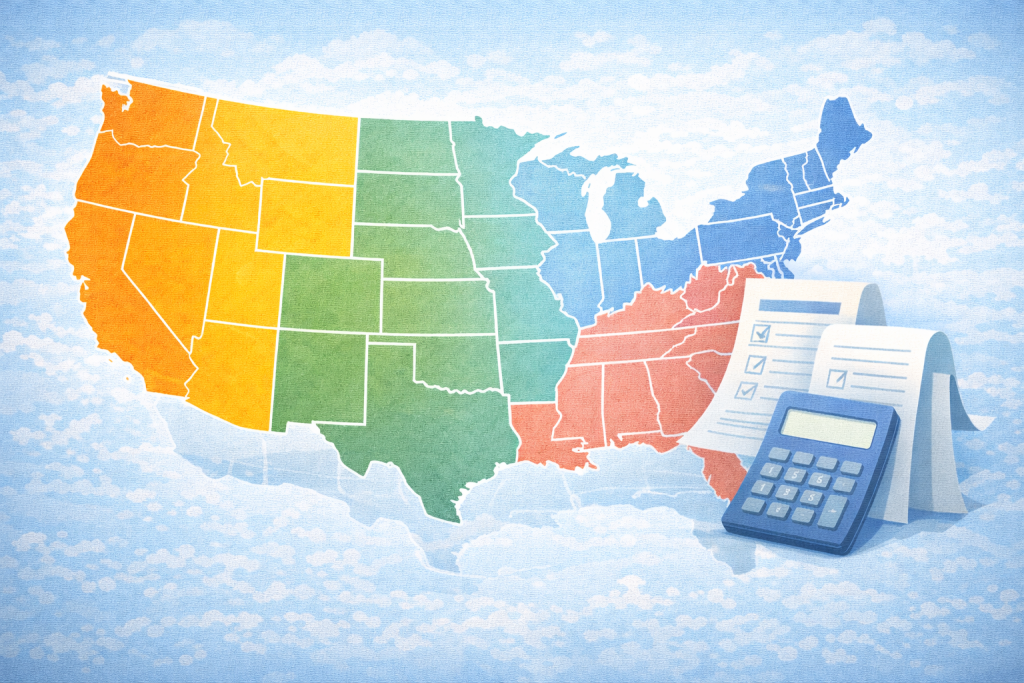
SR-22 Insurance Cost by State: General Patterns
Rather than listing fixed dollar amounts for each state—which change frequently—it is more accurate to understand state cost patterns.
Higher-Cost States
States with stricter enforcement, higher minimum liability limits, and dense urban populations typically see higher SR-22 costs. These states often:
-
Enforce longer compliance periods
-
Impose heavier penalties for lapses
-
Require higher minimum coverage limits
Drivers in these states usually face above-average premiums and stricter monitoring.
Moderate-Cost States
States with balanced enforcement and moderate minimum coverage requirements tend to fall in the middle range. In these states:
-
SR-22 filing fees are modest
-
Compliance periods are clearly defined
-
Premium increases are noticeable but manageable
These states often provide more flexibility in insurer selection.
Lower-Cost States
Some states maintain lower minimum liability limits and lighter administrative oversight. In these jurisdictions:
-
SR-22 filing fees are lower
-
Premium increases are smaller
-
Reinstatement procedures are simpler
However, even in lower-cost states, lapses in coverage can quickly escalate costs.
Why State Laws Have Such a Strong Impact on SR-22 Costs
State laws directly influence SR-22 insurance cost by:
-
Setting minimum liability limits
-
Defining high-risk classification rules
-
Determining compliance duration
-
Regulating insurer filing procedures
For example, a state that requires three years of continuous monitoring will almost always result in higher total costs than a state requiring only one year—even if monthly premiums are similar.
Personal Factors That Affect SR-22 Insurance Cost
In addition to state law, individual driver characteristics play a major role.
Key Personal Cost Factors
-
Driving record severity
-
Length of license suspension
-
Age and driving experience
-
Prior insurance gaps
-
Vehicle type and usage
-
ZIP code and garaging location
Because SR-22 applies primarily to drivers with compliance issues, insurers typically assess higher risk and price accordingly.
SR-22 Filing Fees Explained
Most drivers overlook filing fees when budgeting for SR-22 insurance.
Important points:
-
Filing fees are usually one-time, but some insurers charge per renewal
-
Fees are separate from premiums
-
Fees are non-refundable
-
Fees vary by insurer and state
Choosing an insurer experienced with SR-22 can help avoid unnecessary or duplicate fees.
SR-22 Insurance Cost vs Standard Auto Insurance
It is important to understand that SR-22 increases cost indirectly.
Cost Comparison Overview
-
Standard insurance: Based on risk, vehicle, and location
-
SR-22 insurance: Standard insurance + monitoring + enforcement risk
Drivers often see premium increases even after the SR-22 period ends, though costs may gradually decrease with a clean record.
How to Lower SR-22 Insurance Costs Legally
Although SR-22 insurance is mandatory, drivers still have opportunities to manage costs.
Cost-Reduction Strategies
-
Compare quotes from SR-22-authorized insurers
-
Maintain continuous coverage without lapses
-
Choose minimum required coverage if appropriate
-
Set up automatic payments
-
Avoid additional violations during the SR-22 period
-
Complete state-approved driving improvement programs (where applicable)
Compliance consistency is the most effective long-term cost control method.
Cheap SR-22 Insurance vs Non-Compliant Coverage
Some drivers attempt to minimize costs by choosing extremely cheap policies. This approach can be risky.
Risks of Non-Compliant Policies
-
Policies that do not support SR-22 filing
-
Insurers that fail to notify the state properly
-
Delayed or rejected DMV filings
-
License re-suspension
The cheapest option is not always the safest or most cost-effective in the long run.
How Long SR-22 Costs Affect Your Finances
The total financial impact of SR-22 depends heavily on duration.
Example scenarios:
-
1-year requirement: Short-term premium increase
-
3-year requirement: Significant cumulative cost
-
Lapse reset: Costs restart and multiply
Understanding the full timeline helps drivers plan and avoid surprises.
Frequently Asked Questions About SR-22 Insurance Cost
Is SR-22 insurance more expensive in every state?
No, but most states impose higher premiums due to increased enforcement and monitoring.
Can switching insurers reduce SR-22 cost?
Yes, but only if the new insurer is authorized to file SR-22 documentation.
Does SR-22 insurance get cheaper over time?
In many cases, premiums gradually decrease with continuous compliance and no new violations.
Conclusion: Understanding SR-22 Insurance Cost by State Saves Money
SR-22 insurance cost by state varies widely due to differences in laws, enforcement intensity, and insurance regulations. While drivers cannot avoid SR-22 requirements once imposed, they can control how much they pay by understanding state rules, choosing the right insurer, and maintaining flawless compliance.
For drivers navigating this process, informed decisions lead to lower costs, faster reinstatement, and a smoother return to full driving privileges.