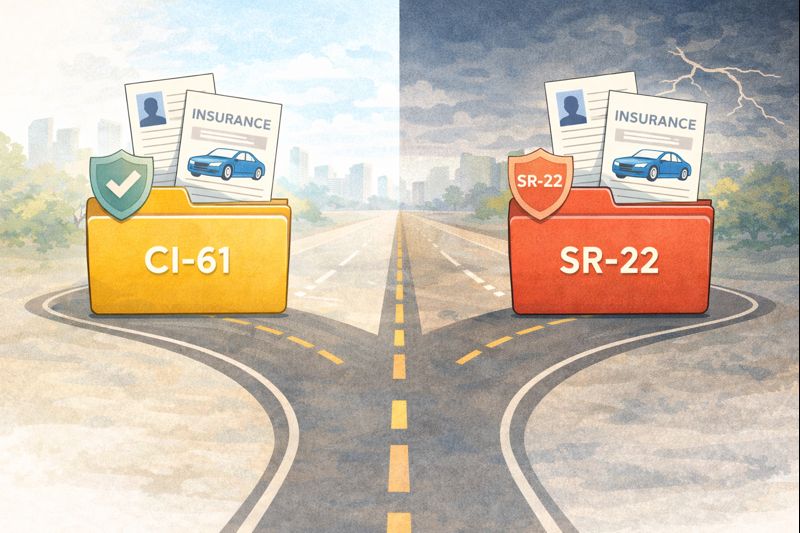
Introduction
Drivers classified as “high-risk” face unique legal and financial challenges when it comes to auto insurance. Traffic violations, DUI convictions, repeated accidents, or lapses in coverage often result in stricter state oversight and higher insurance premiums. In many cases, these drivers are legally required to obtain SR-22 Insurance as proof of financial responsibility. Understanding SR-22 insurance for high-risk drivers is essential for maintaining driving privileges, avoiding penalties, and eventually returning to standard insurance coverage.
This article provides a comprehensive explanation of who qualifies as a high-risk driver, why SR-22 Insurance is required, how coverage works, and what steps drivers can take to remain compliant while managing costs.
Who Is Considered a High-Risk Driver?
Insurance companies and state motor vehicle departments classify drivers as high-risk based on their likelihood of filing claims or violating traffic laws.
Common factors that define high-risk drivers include:
-
DUI or DWI convictions
-
Reckless or aggressive driving
-
Multiple speeding or traffic violations
-
Driving without insurance
-
License suspension or revocation
-
At-fault accidents
-
Young or inexperienced drivers with violations
High-risk status does not last forever, but during this period, states often require SR-22 Insurance to ensure continuous coverage.
Why High-Risk Drivers Need SR-22 Insurance
SR-22 Insurance serves as a regulatory tool that protects both the public and the state.
Primary Reasons for SR-22 Requirements
-
Proof of Financial Responsibility
States require confirmation that high-risk drivers can cover damages or injuries caused by accidents. -
Continuous Coverage Monitoring
Insurance providers must notify the state immediately if an SR-22 policy lapses or is canceled. -
Risk Management
SR-22 filings discourage uninsured driving and repeated offenses.
For high-risk drivers, SR-22 Insurance is not optional—it is a legal condition for driving eligibility.
What SR-22 Insurance Covers for High-Risk Drivers
A common misunderstanding is that SR-22 Insurance provides special or additional coverage. In reality, SR-22 is a certificate attached to a standard auto insurance policy.
Required Coverage
-
Bodily injury liability
-
Property damage liability
-
Minimum limits set by the state
Optional Coverage
-
Collision coverage
-
Comprehensive coverage
-
Uninsured/underinsured motorist coverage
While optional coverages are not required for SR-22 compliance, they may be advisable depending on vehicle value and financial risk.
SR-22 Insurance Cost for High-Risk Drivers
High-risk drivers generally pay significantly more for auto insurance, and SR-22 filing further increases costs.
Key Cost Factors
-
Severity of driving violations
-
Number of prior offenses
-
State insurance regulations
-
Driver age and credit profile
-
Insurance provider pricing models
Typical Cost Breakdown
-
SR-22 filing fee: $25–$50
-
Premium increase: 50%–300% over standard rates
-
Monthly cost range: $120–$300+ depending on state
States with higher accident rates or stricter DUI laws tend to have higher premiums for SR-22 Insurance.
Legal Obligations for High-Risk Drivers with SR-22
High-risk drivers must strictly adhere to SR-22 requirements to avoid severe penalties.
Mandatory Obligations
-
Maintain uninterrupted insurance coverage
-
Meet state minimum liability limits
-
Allow insurer to report compliance status
-
Keep SR-22 active for the required duration
Common Filing Duration
-
Most states: 3 years
-
Some states: 2–5 years depending on offense severity
Failure to comply may reset the SR-22 period and result in license suspension.
Penalties for SR-22 Non-Compliance
Non-compliance carries serious legal and financial consequences:
-
Immediate license suspension
-
Additional fines and reinstatement fees
-
Extended SR-22 filing requirements
-
Higher insurance premiums upon re-filing
Because insurers are legally required to notify the state of cancellations, lapses are rarely overlooked.
How High-Risk Drivers Can Reduce SR-22 Insurance Costs
Although SR-22 Insurance is costly, high-risk drivers can take steps to manage expenses:
-
Compare Multiple Providers
Some insurers specialize in high-risk coverage and offer more competitive rates. -
Maintain Continuous Coverage
Avoid gaps that increase premiums and reset filing periods. -
Improve Driving Behavior
Clean records over time may reduce renewal rates. -
Complete Defensive Driving Courses
Some states and insurers offer discounts for approved programs. -
Choose Appropriate Coverage Levels
Avoid unnecessary add-ons if budget is limited.
Transitioning Out of High-Risk Status
High-risk status is not permanent. Once the SR-22 requirement is satisfied and driving behavior improves, drivers may transition back to standard insurance.
Steps to Transition
-
Confirm SR-22 completion with the state
-
Request SR-22 removal from insurer
-
Shop for standard auto insurance quotes
-
Maintain a clean driving record
Many drivers experience significant premium reductions after SR-22 removal.
Common Misconceptions About SR-22 Insurance for High-Risk Drivers
-
SR-22 is a separate policy
It is only a filing attached to an existing policy. -
High-risk drivers cannot find affordable coverage
Specialized insurers often provide reasonable options. -
SR-22 automatically restores driving privileges
Additional DMV requirements may apply.
Conclusion
SR-22 insurance for high-risk drivers is a critical legal requirement designed to ensure accountability and protect public safety. While it often comes with higher costs and strict compliance rules, understanding how SR-22 Insurance works allows drivers to meet legal obligations, avoid penalties, and gradually regain financial stability.
By choosing the right insurance provider, maintaining continuous coverage, and improving driving behavior, high-risk drivers can successfully navigate the SR-22 process and work toward returning to standard auto insurance coverage.
Key Takeaways
High-risk drivers are commonly required to carry SR-22 Insurance
SR-22 proves financial responsibility, not additional coverage
Costs are higher but manageable with proper planning
Compliance is essential to avoid license suspension and extended penalties